Odoo Inventory Management for E-commerce: Complete Setup Guide
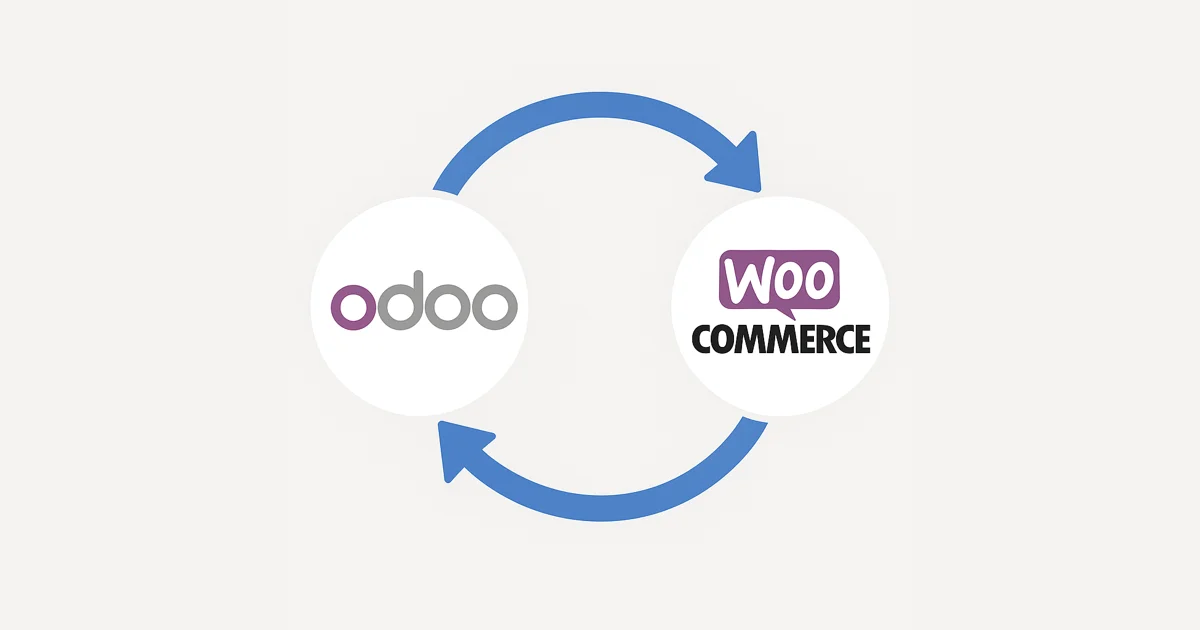
Learn how to set up and optimize Odoo's inventory management system for e-commerce operations, including WooCommerce integration and automated workflows.
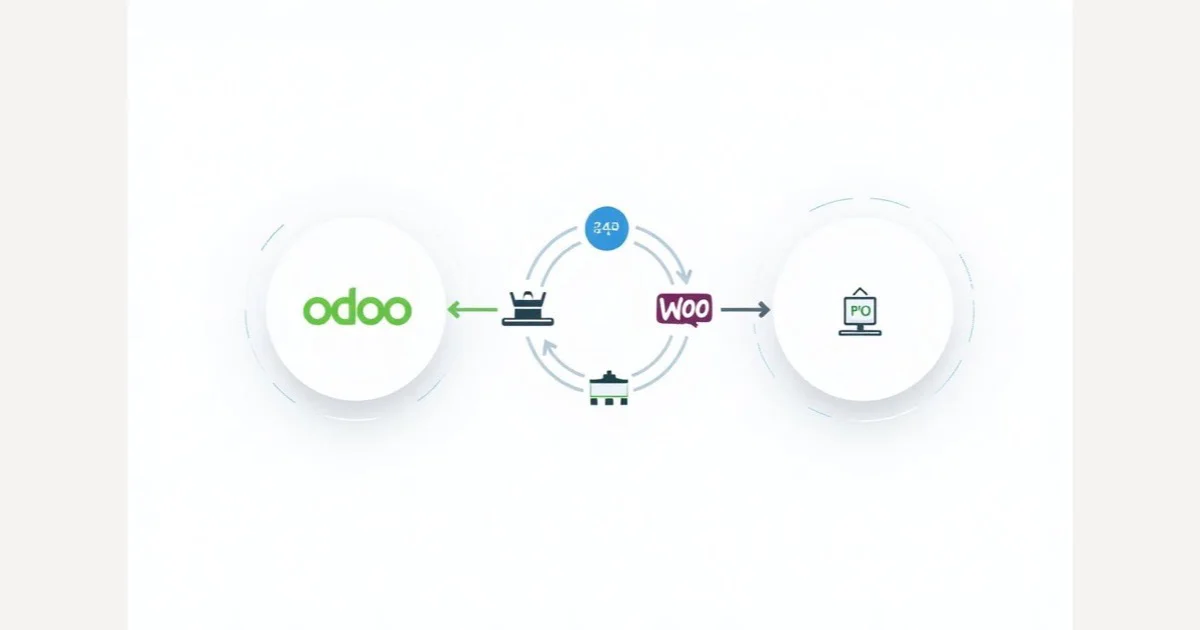
Effective inventory management is crucial for e-commerce success. Odoo's inventory management system provides powerful tools to track stock levels, automate reordering, and integrate seamlessly with e-commerce platforms like WooCommerce. This comprehensive guide will walk you through everything you need to know.
Why Choose Odoo for E-commerce Inventory Management?
Odoo's inventory management application stands out for several reasons:
- Real-time Stock Tracking: Monitor inventory levels across multiple locations
- Automated Workflows: Set up rules for automatic stock replenishment
- Multi-channel Integration: Connect with various sales channels simultaneously
- Advanced Reporting: Gain insights into inventory turnover and trends
- Cost-effective: Scalable pricing that grows with your business
Setting Up Odoo Inventory Management
Initial Configuration
1. Install the Inventory Application Navigate to the Apps menu in your Odoo instance and install the "Inventory" application. This will enable all inventory-related features.
2. Configure Warehouse Settings
- Set up your warehouse locations
- Define storage areas and zones
- Configure shipping and receiving areas
- Set up quality control checkpoints
3. Product Configuration For each product in your inventory:
- Set product type (Storable Product for physical inventory)
- Define tracking methods (by lots, serial numbers, or none)
- Set reordering rules and safety stock levels
- Configure multiple units of measure if needed
Multi-location Management
If you operate multiple warehouses or storage locations:
1. Create Location Hierarchy
- Physical locations (warehouses, stores)
- Virtual locations (suppliers, customers)
- Internal locations (storage areas, production areas)
2. Set Up Routes Define how products move between locations:
- Purchase routes (supplier to warehouse)
- Manufacturing routes (raw materials to finished goods)
- Delivery routes (warehouse to customer)
E-commerce Integration Best Practices
WooCommerce Integration
When integrating Odoo inventory with WooCommerce:
1. Product Synchronization
- Ensure product SKUs match between systems
- Set up automatic price and description updates
- Configure image synchronization
- Map product categories correctly
2. Stock Level Synchronization
- Enable real-time stock updates
- Set up low stock alerts
- Configure out-of-stock behavior
- Implement backorder management
3. Order Processing Workflow
- Automatic order import from WooCommerce
- Inventory reservation upon order confirmation
- Automated picking list generation
- Shipping notification synchronization
Managing Product Variants
For products with multiple variants (size, color, etc.):
1. Set Up Product Templates
- Create a master product template
- Define variant attributes (size, color, material)
- Set up variant-specific pricing and stock levels
2. Inventory Tracking by Variant
- Track stock levels for each variant separately
- Set up variant-specific reordering rules
- Monitor variant performance and trends
Automated Inventory Workflows
Reordering Rules
Set up automatic reordering to prevent stockouts:
1. Configure Minimum Stock Rules
- Set minimum quantity thresholds
- Define reorder quantities
- Specify preferred suppliers
- Set up lead time calculations
2. Seasonal Adjustments
- Create seasonal reordering rules
- Adjust safety stock for peak periods
- Set up promotional stock planning
Quality Control Integration
Implement quality control processes:
1. Incoming Quality Control
- Set up inspection points for received goods
- Define quality criteria and tests
- Configure approval workflows
2. Outgoing Quality Control
- Final inspection before shipping
- Batch testing procedures
- Quality certificates generation
Advanced Inventory Features
Lot and Serial Number Tracking
For products requiring traceability:
1. Lot Tracking
- Track products by production batches
- Monitor expiration dates
- Implement FIFO/LIFO strategies
2. Serial Number Tracking
- Unique identification for individual items
- Warranty and service history tracking
- Anti-counterfeiting measures
Barcode Integration
Streamline operations with barcode scanning:
1. Barcode Setup
- Generate barcodes for products and locations
- Configure barcode formats (EAN, Code128, etc.)
- Set up barcode scanning workflows
2. Mobile Operations
- Use Odoo's mobile app for warehouse operations
- Scan barcodes for receiving, picking, and shipping
- Real-time inventory updates via mobile devices
Reporting and Analytics
Key Performance Indicators
Monitor these essential metrics:
1. Inventory Turnover
- Calculate turnover rates by product category
- Identify slow-moving inventory
- Optimize stock levels based on demand patterns
2. Stock Accuracy
- Regular cycle counting procedures
- Variance analysis and correction
- Audit trail maintenance
3. Cost Analysis
- Inventory valuation methods (FIFO, LIFO, Average)
- Carrying cost calculations
- Dead stock identification and management
Custom Reporting
Create custom reports for:
- ABC analysis for inventory prioritization
- Seasonal demand forecasting
- Supplier performance evaluation
- Customer demand patterns
Integration with Other Odoo Applications
Sales Integration
- Automatic sales order processing
- Real-time availability checking
- Customer-specific pricing and availability
Purchase Integration
- Automated purchase order generation
- Vendor management and evaluation
- Cost tracking and analysis
Accounting Integration
- Automatic inventory valuation
- Cost of goods sold calculations
- Financial reporting integration
Troubleshooting Common Issues
Stock Discrepancies
- Regular inventory counts and adjustments
- Investigation of variance causes
- Process improvements to prevent future discrepancies
Integration Problems
- Data mapping verification
- API connection monitoring
- Error logging and resolution procedures
Best Practices for E-commerce Inventory
- Regular Data Backups: Protect your inventory data with automated backups
- User Access Control: Limit access to inventory functions based on roles
- Documentation: Maintain clear procedures for all inventory processes
- Training: Ensure all users understand the system and processes
- Continuous Improvement: Regularly review and optimize workflows
Conclusion
Odoo's inventory management system provides a comprehensive solution for e-commerce businesses of all sizes. By following this setup guide and implementing best practices, you can achieve better inventory control, reduce costs, and improve customer satisfaction.
The key to success lies in proper initial configuration, regular monitoring, and continuous optimization of your inventory processes. With Odoo's powerful features and seamless e-commerce integration, you'll have the tools needed to manage your inventory efficiently and scale your business effectively.
Ready to implement Odoo inventory management for your e-commerce business? Start with a thorough analysis of your current processes and gradually implement the features that will have the most impact on your operations.